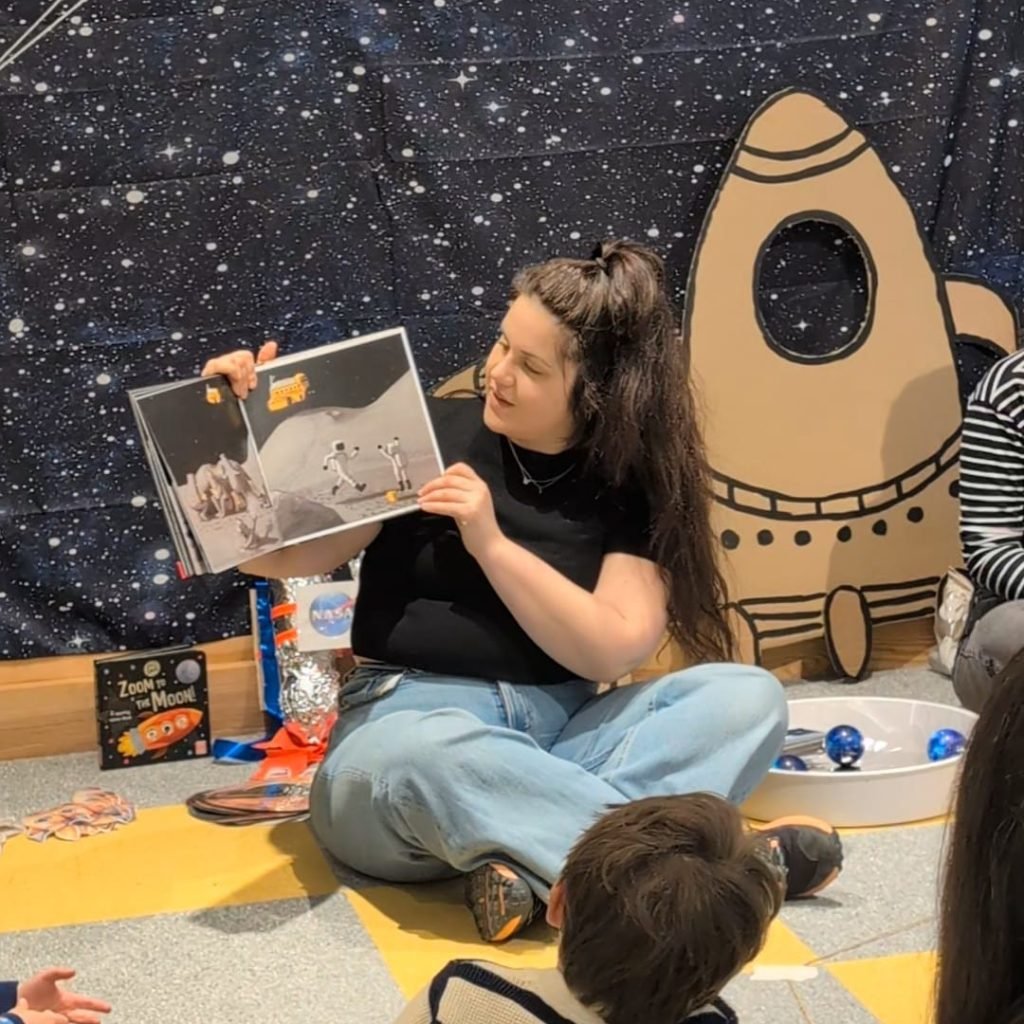
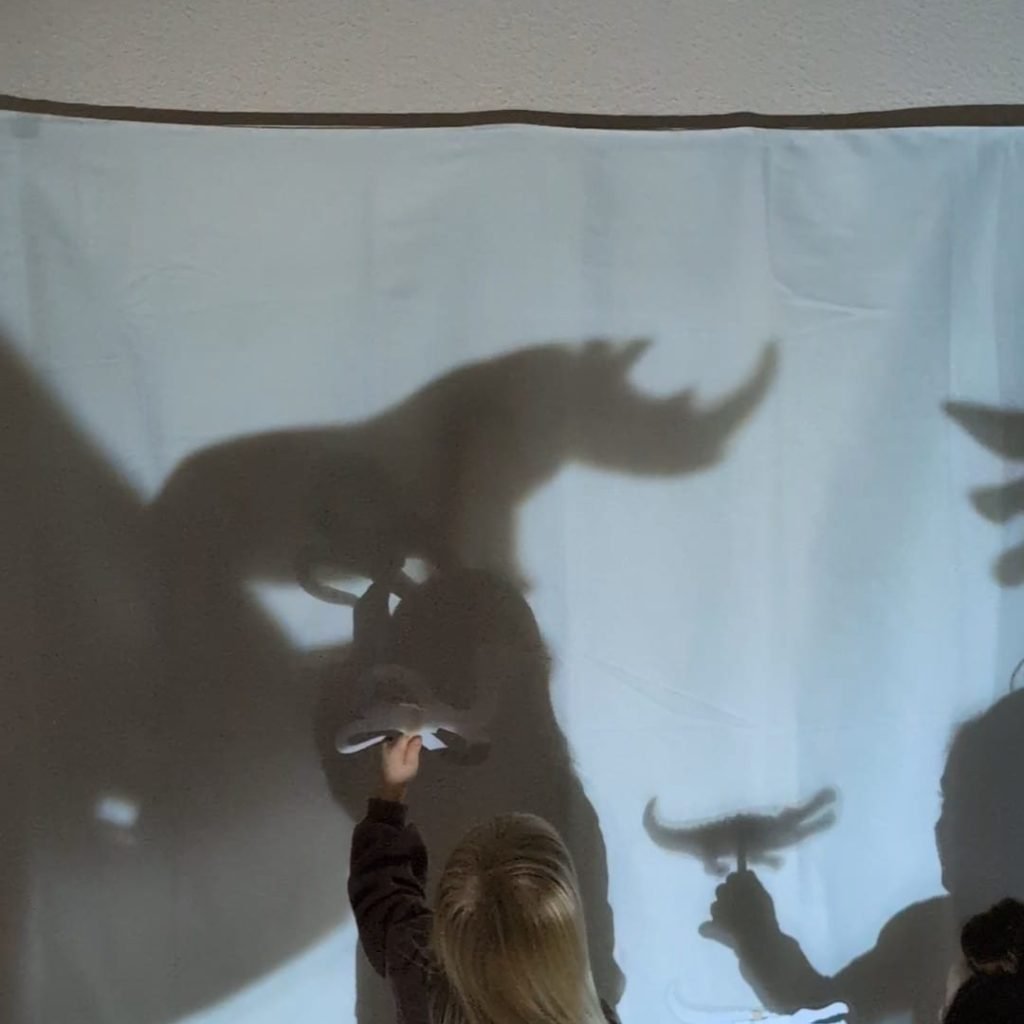
Our workshops are held on weekends, while on weekdays they are exclusively for infants. Each workshop is unique, with themes varying according to the season, the story being read, and the age group it targets. Our activities include storytelling, sensory play, arts and crafts, and music and movement. Depending on the duration of each workshop, these activities may be combined or offered selectively. For details about the specific workshop you choose, please refer to the corresponding schedule.
Here's a detailed breakdown of our activities:
Storytelling and reading book
It’s clear that a child’s reading skills are crucial for their success in school, future work, and overall life. Fortunately, you can help set your child on the path to success by introducing reading from a very early age. Keep reading to discover the key benefits of reading to children and how it can positively impact their future development.
Develops language skills. Telling stories to your children introduces them to a diverse range of vocabulary and grammar patterns. While listening, they are required to remember the storyline, characters, and significant details -something they don’t often experience in day-to-day conversations.
Develops emotional intelligence (EQ). Storytelling helps children improve their emotional regulation and boosts their emotional intelligence. It teaches them to be considerate of others and empathetic.
Stimulates imagination and creativity. Storytelling encourages children to engage their imagination and creativity by visualizing the characters and events within the narrative.
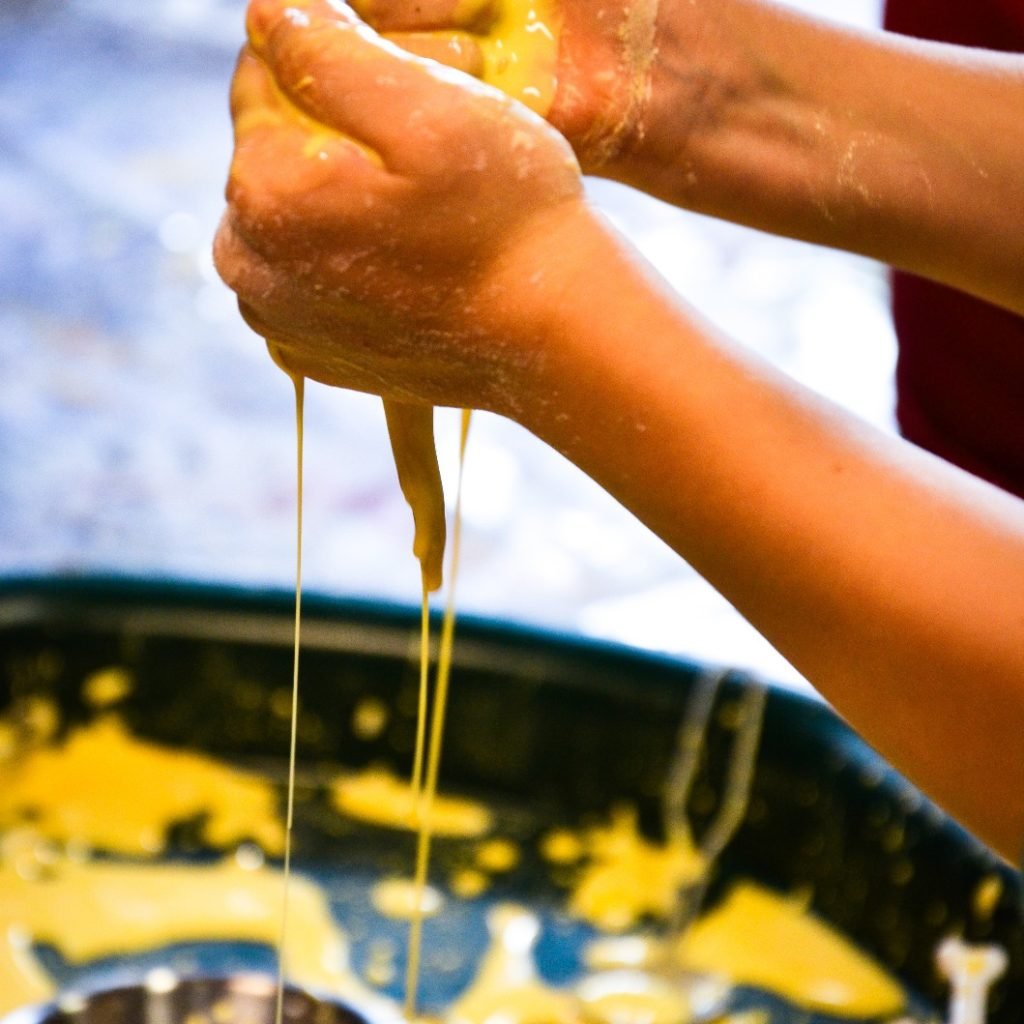
Sensory play
Children of all ages need to engage their senses—seeing, feeling, tasting, touching, and hearing—to effectively learn. Sensory play involves activities that stimulate these senses, including touch, taste, smell, sight, and sound. It plays a crucial role in child development, enhancing sensory awareness, fine motor skills, language growth, cognitive development, and problem-solving skills in a fun and interactive way.
Fine and gross motor skills: Messy play encourages children to manipulate objects and explore textures as they let materials flow through their hands and fingers. This kind of play is vital for developing fine motor skills—small movements and hand muscles used for tasks like holding a pencil, using cutlery, threading a needle, or tying shoelaces.
Cognitive development: Messy play supports cognitive growth by helping babies and children form neural connections, enabling them to learn about differences and similarities.
Hand-eye coordination refers to a child’s ability to understand spatial relationships—where they are in relation to objects or how objects relate to one another.
Body control and balance involve knowing where your body parts are in three-dimensional space, essential for physical coordination.
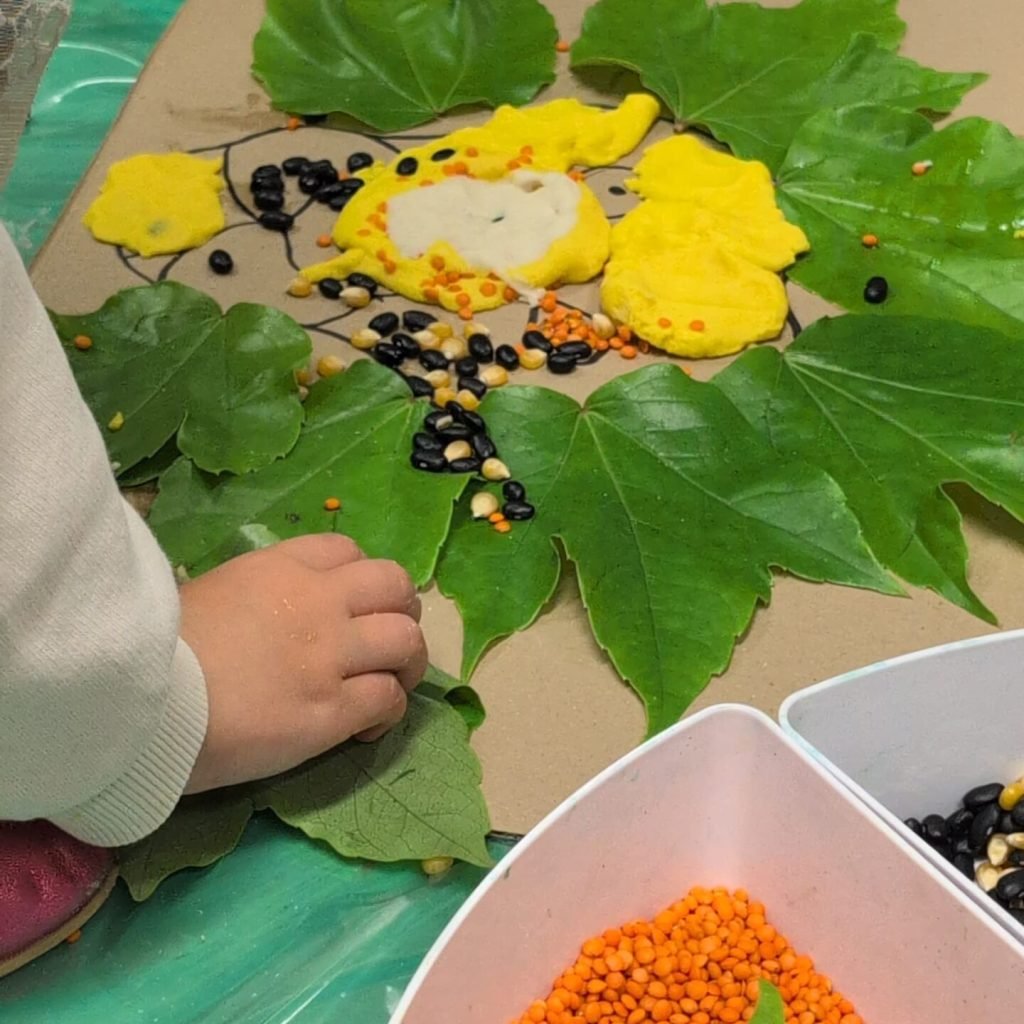
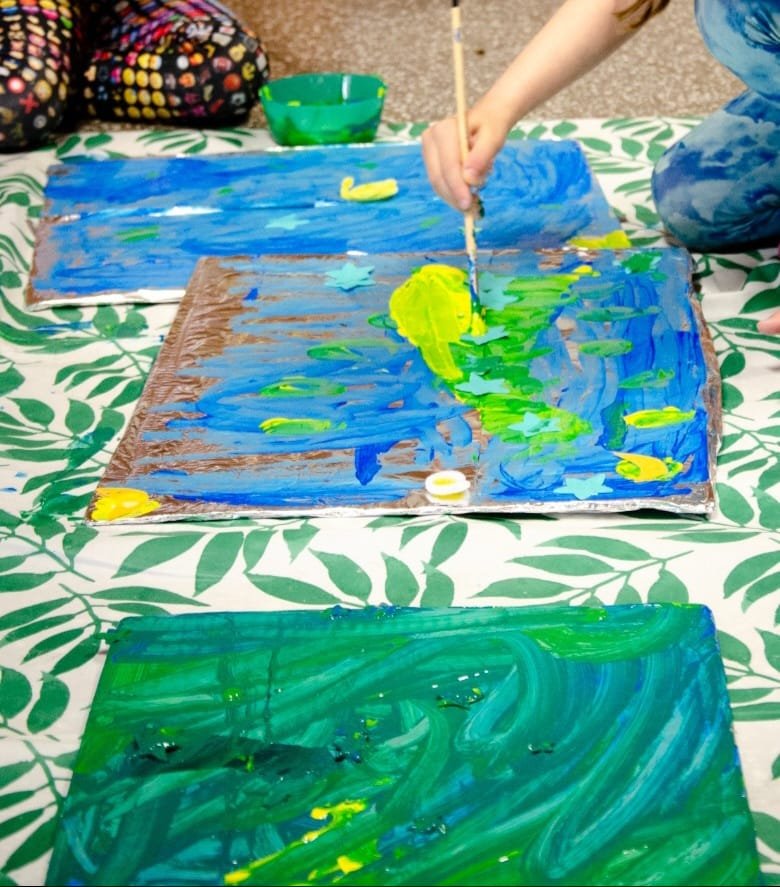
Arts & crafts
They are both essential to a child’s development, providing numerous advantages that support their growth into well-rounded adults. They have always been a key component of early childhood education, as creative activities encourage a child’s natural imagination and help them build important life skills that will benefit them for years to come. Creativity and imagination go hand in hand—through creative expression, children gain a better understanding of themselves and the world around them.
Crafts are hands-on, creative activities with a structured approach, usually aimed at producing a specific result. Children follow step-by-step instructions to make something tangible, such as a rabbit from carton, or Christmas card. While there is some room for personal creativity, the emphasis is often on completing the project and achieving the intended outcome. Crafts can help a kid to develop: hand strength, hand-eye coordination, scissor skills, problem-solving, critical thinking & decision-making skills, follow multi-step directions, attention span & concentration skills, build self esteem and self confidence.
Art is naturally expressed by children from a very young age. We have likely seen them joyfully doodling with crayons, markers, or anything they can find.
However, creating art goes beyond just being a fun, colorful activity. It provides distinct and meaningful benefits for preschoolers, young children, and teens that other activities can’t always offer. Art is the imaginative and skillful creation of something that not only looks beautiful but also conveys important ideas and feelings.
Light corner
A light table is a glowing surface that helps you see things placed on it more clearly by lighting them from behind. It’s often used from doctors to read x-rays.
A kids’ light table works the same way but is made simpler for children to use, it helps them to learn new skills and explore the world in a fun, hands-on way.
A light table supports various activities and explorations of colors and materials, with it children can explore different textures and transparencies through the light shining on the plexiglass surface, like flour, rice, dry fruits and leaves and more.
Psychomotricity
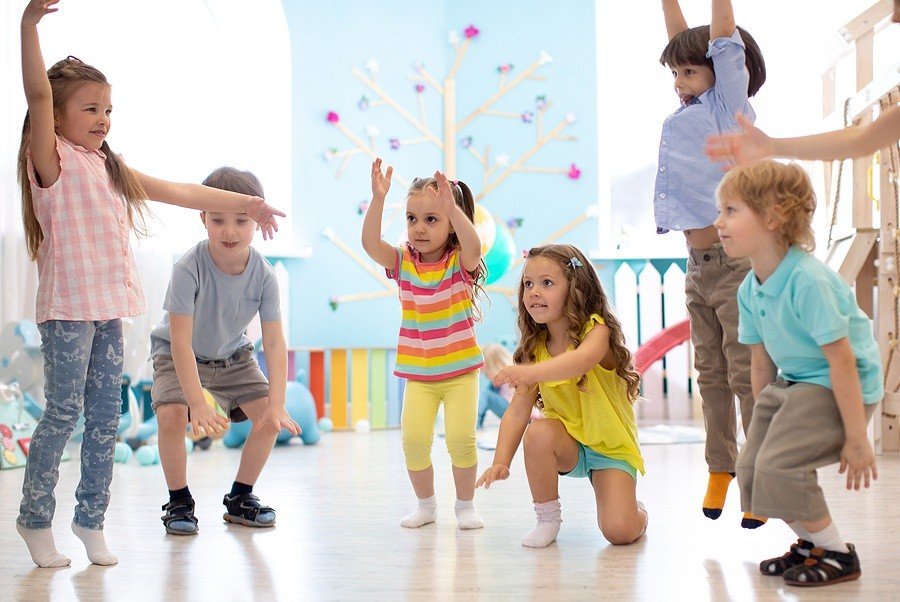
Music and movement is a fun way for children to express emotions and develop motor skills through music. We combine songs, dance, and rhythmic movements that align with the workshop’s theme, helping children synchronize with the music and cultivate a sense of movement in space. Children actively participate and create rhythms, using their bodies and voices as tools for expression and communication.
For more information and registrations, please fill out the form below.